Parko
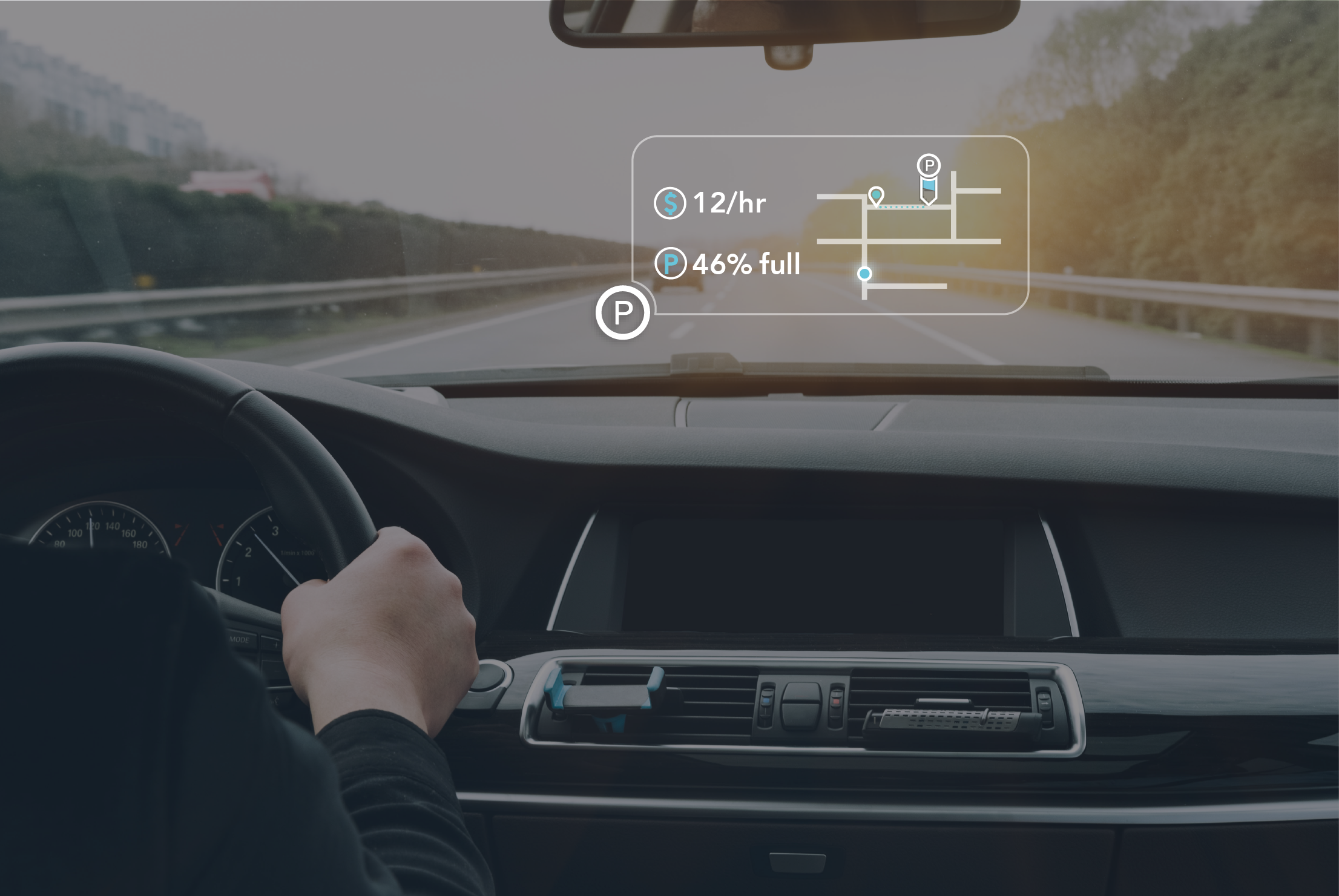
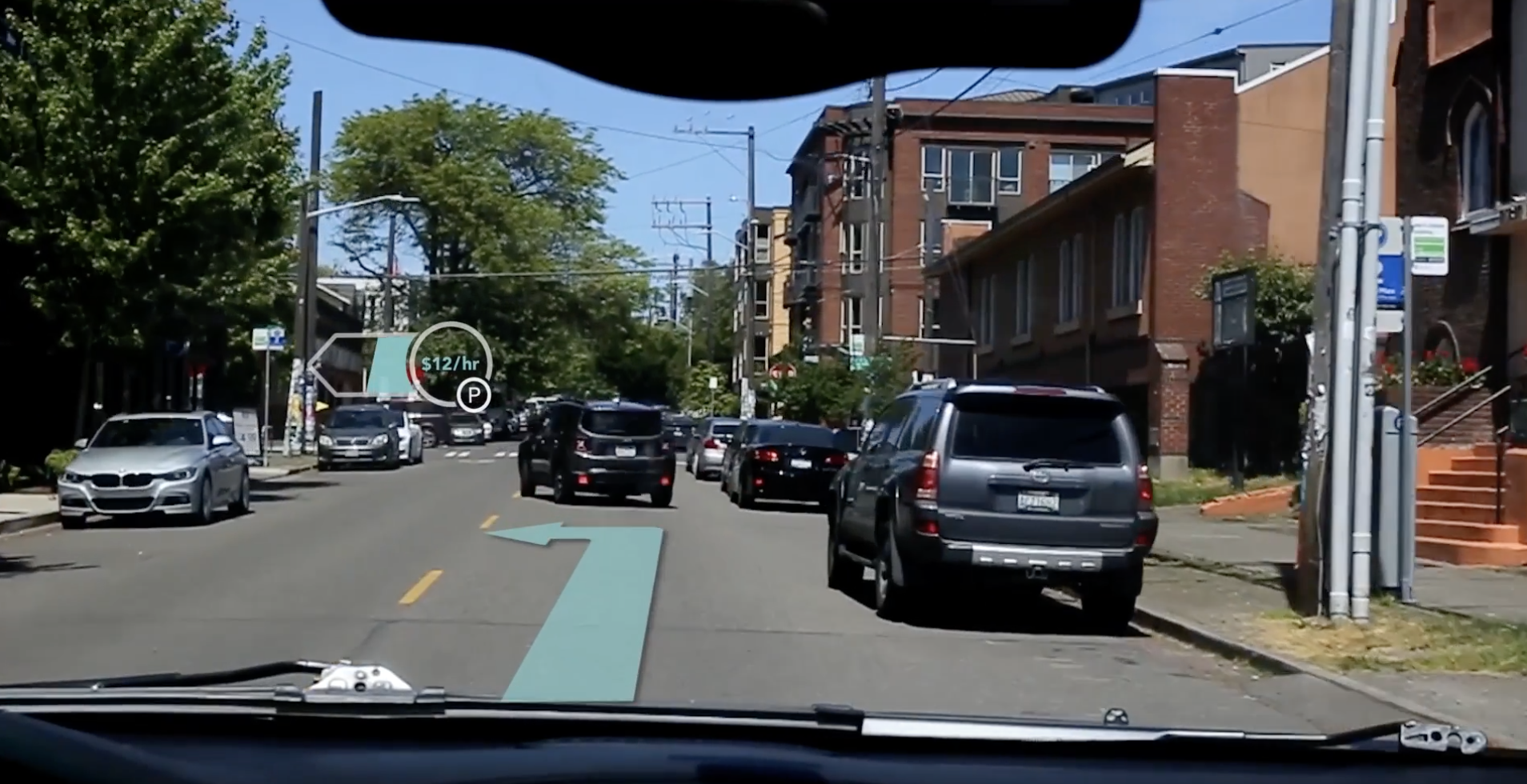
Parko is an augmented reality system that is integrated into the vehicle. Through the use of geospatial data, the system projects visual aids through the windshield (using heads-up display technology) onto the environment to help navigate users to their chosen parking lot by showing users important information, such as price of the lot and capacity of the lot.
Duration: 8 weeks
Team: Cecilia Zhao, Cynthia He
Role: Writing analysis, task analysis, user research, rapid prototyping, ideation, portion of after effects/video editing
Problem Area
In the city of Seattle, there are 637 cars for every 1,000 residents, according to a Seattle Times report, as a result of growing population, poor transportation system, and many other factors. As a result, finding available, convenient, and affordable parking sometimes seems impossible.
How might we design a system to help Seattle drivers find a preferable parking lot quickly and safely?
Parko Video
Research & Testing
Participant Observation
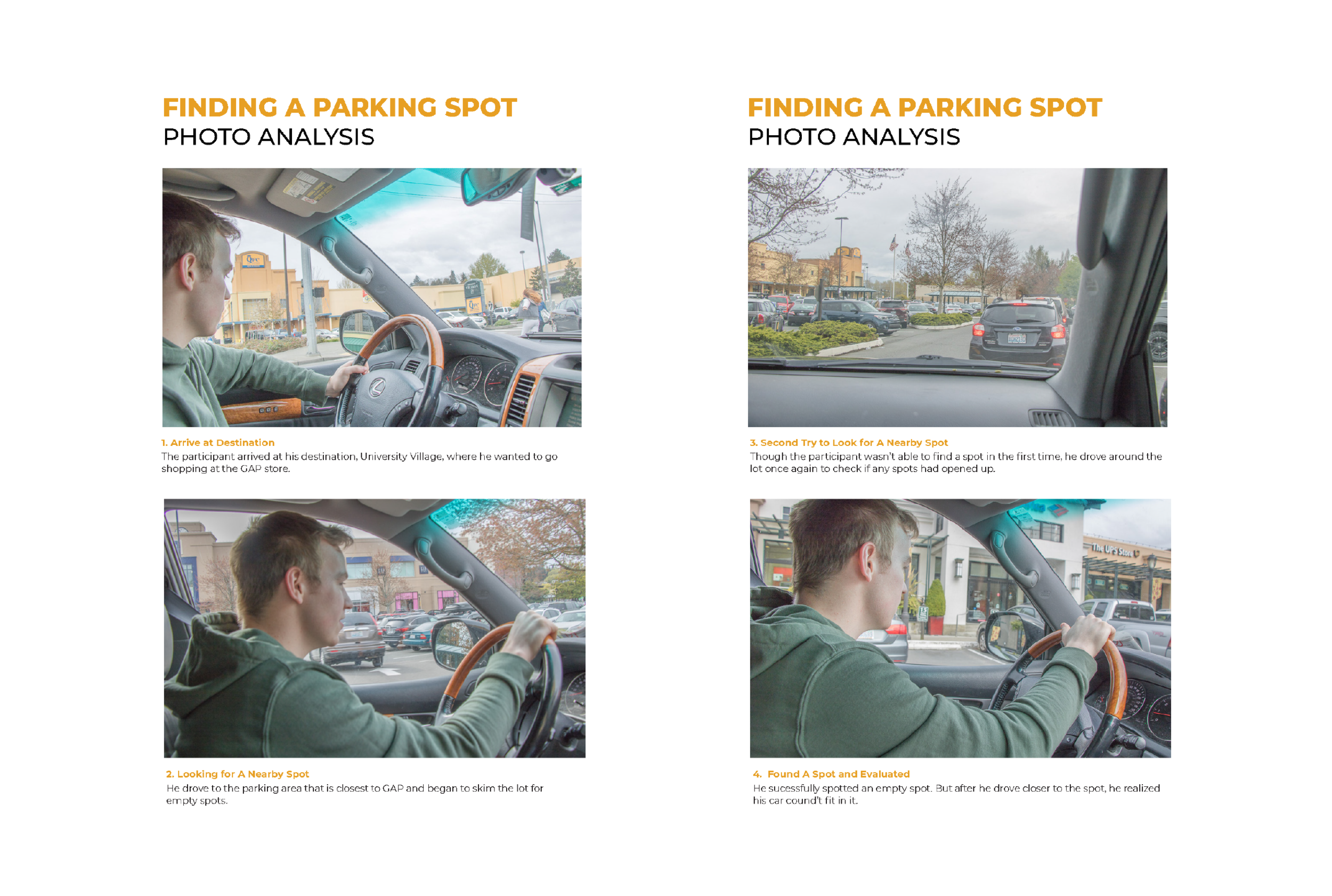
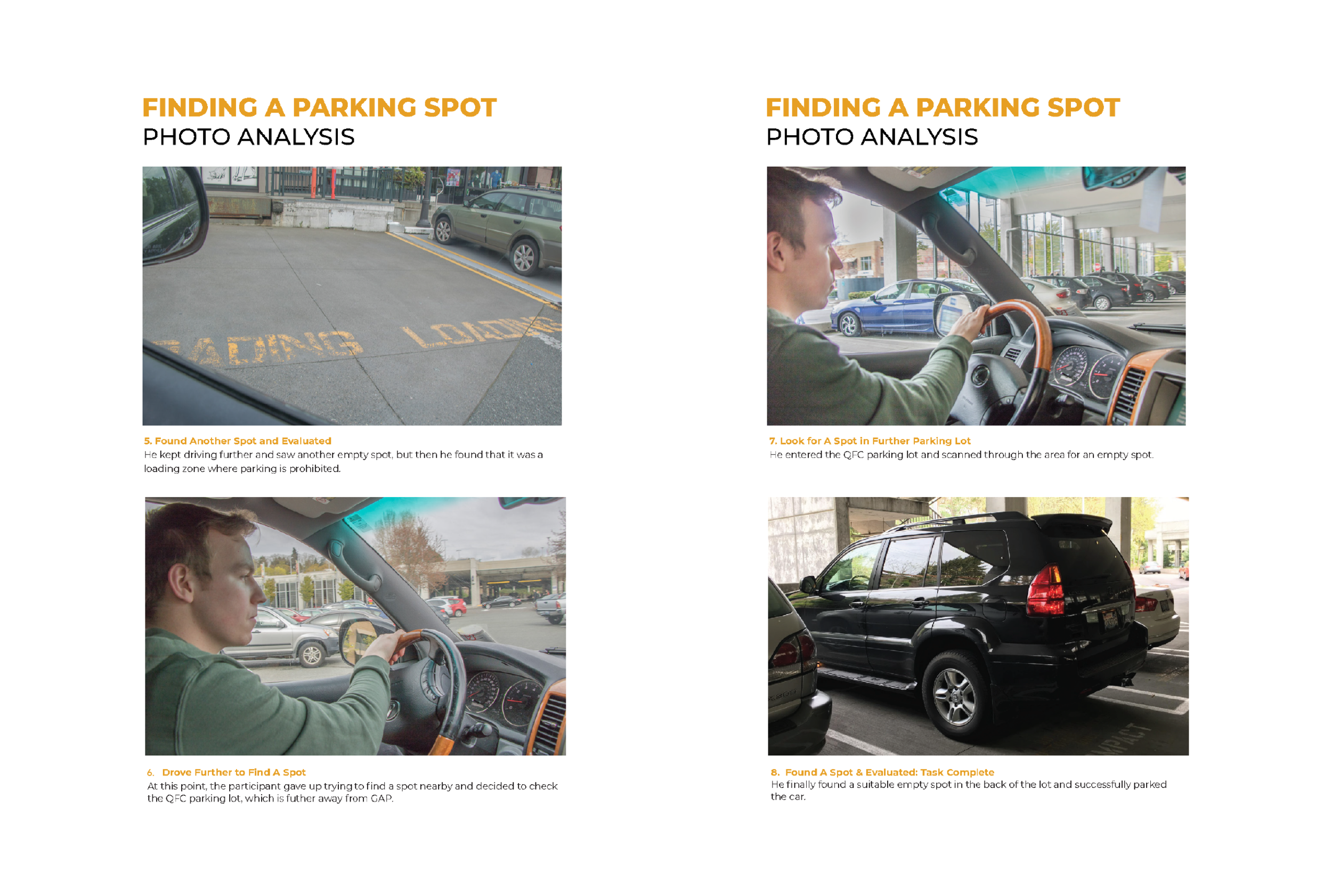
We observed and documented the participant while he attempted to find a parking spot in a mall complex on a busy Sunday afternoon. Before driving, we informed our participant of his destination, which was University Village.
Task Analysis
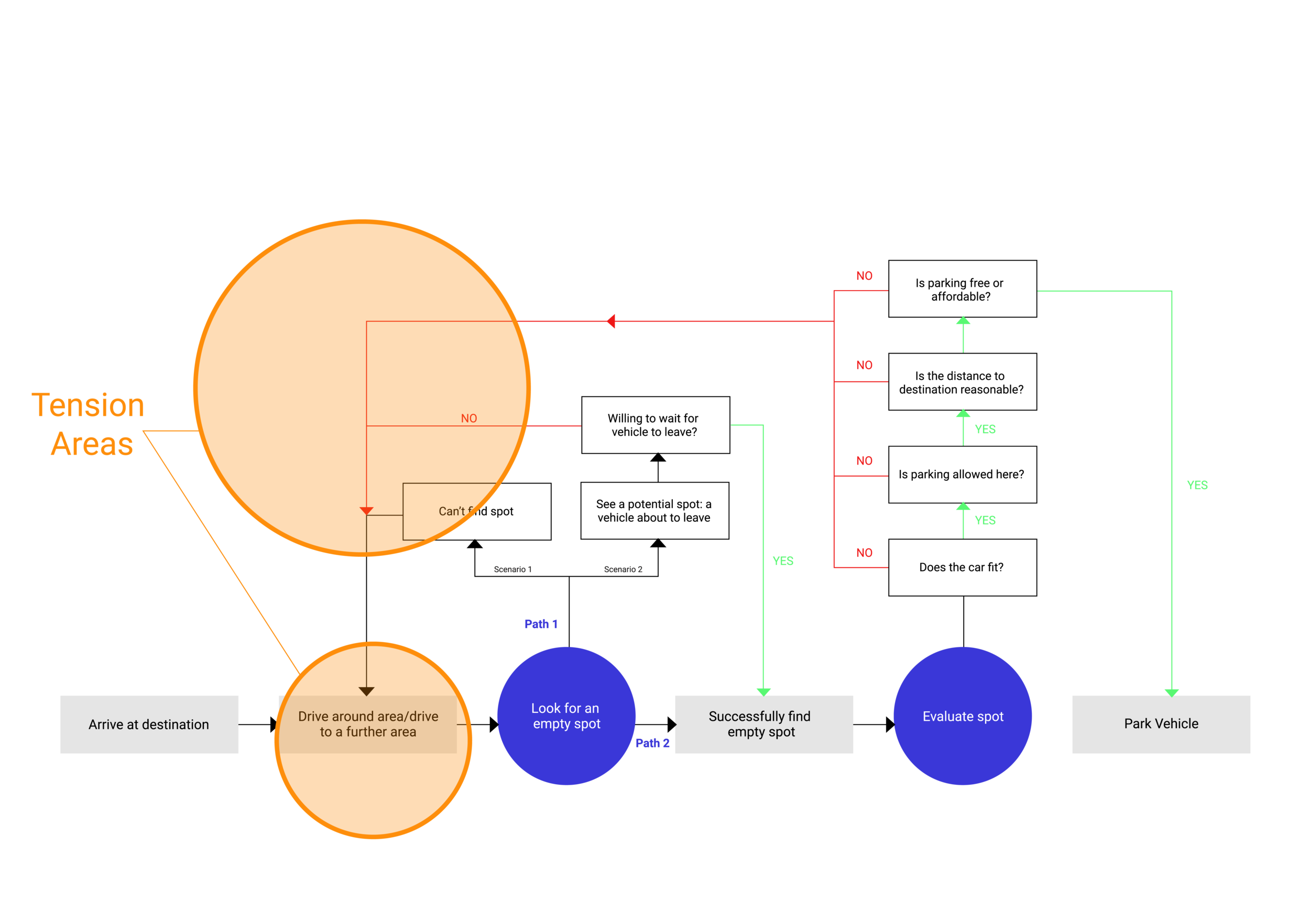
We created a task analysis of what the parking user model looks like today.
Insights
Painpoints
The user has to go through a tedious evaluation process throughout the task.
We found that the task of parking could essentially be broken down into 3 key steps: driving around to find a spot, evaluating the spot, and successfully parking. Each step throughout the parking process has the risk of task failure or leading the user to begin the task over again, creating friction.
Why is this happening?
The user doesn't have enough parking information to make effective decisions ahead of time.
This finding lead us to think about: what if the user can access the information of the parking area in advance so that they can make efficient decisions on where is the best place to find a suitable spot, or, if the user should even drive to their destination at all in the first place?
Ideation
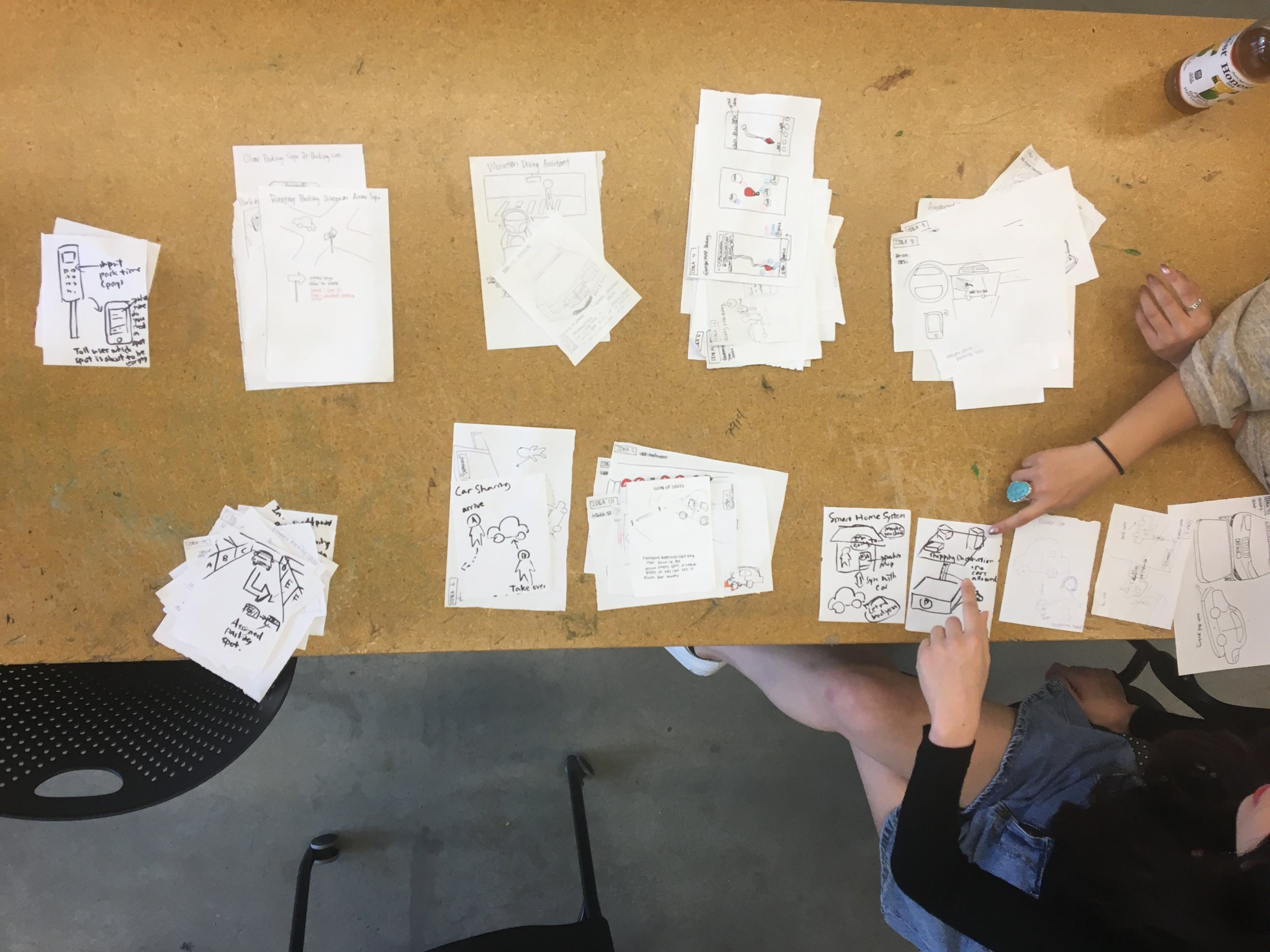
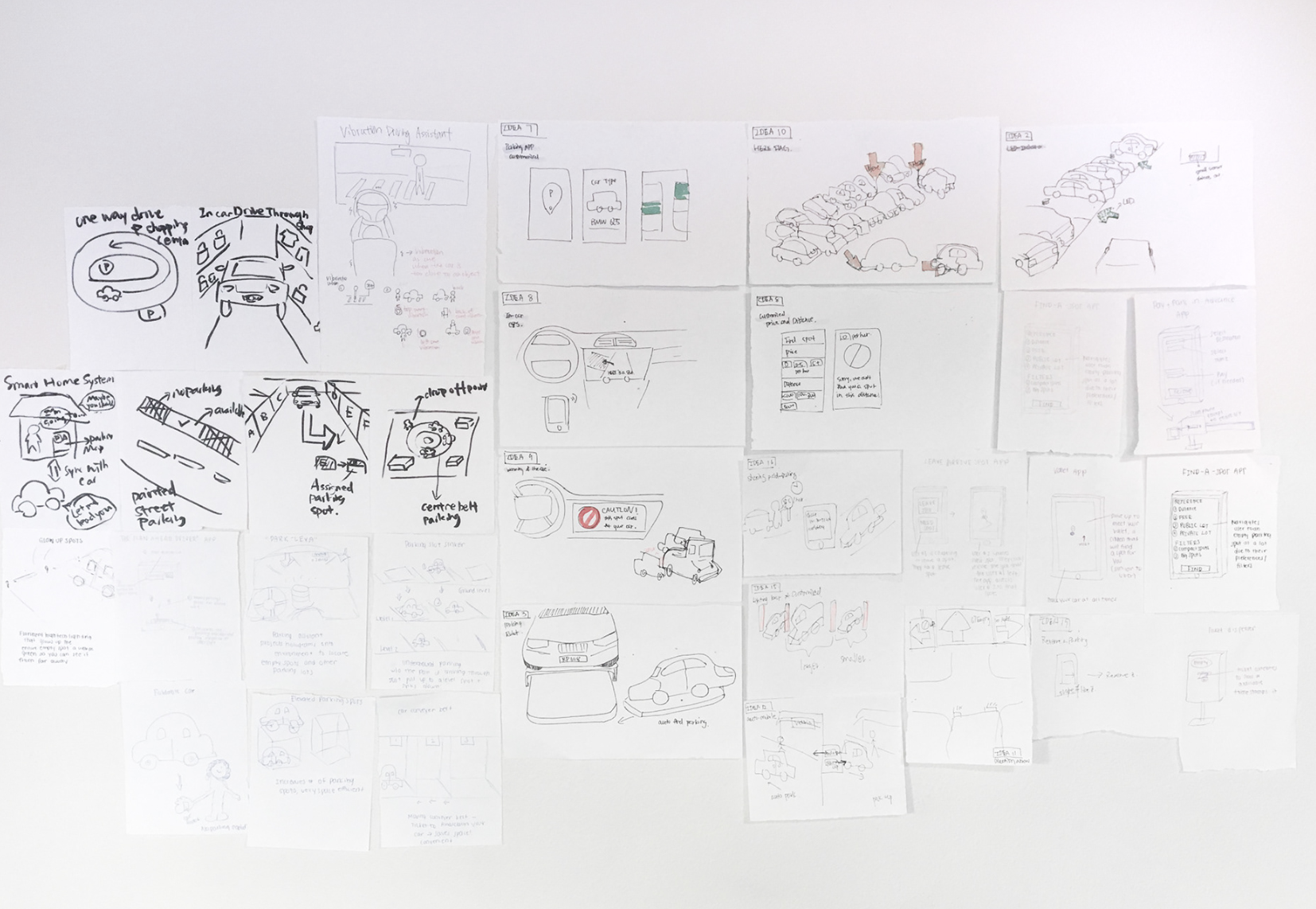
We sketched up to 60 concept ideas (20 concepts each) and solutions that could facilitate any of the 3 key steps of parking mentioned above. Through concept sketching, we were able to explore a variety of design solutions.
Narrowing the Scope
After we categorized and organized our 60 sketches, evaluated our design ideas based on the following criteria:
Design Principles: Safe, Informative, and Efficient
Business needs: Viable, Feasible, and Desirable
We came to find that designing an augmented reality system parking assistant that is integrated into the vehicle best met our design criteria.
And Parko was born.
Research + Testing Round 2
Since the use of heads-up displays are not yet common, we conducted a few personal interviews asking how and when users would interact to AR/AI help while driving. This helped us test out the logistics of how Parko would be applied in the real world.
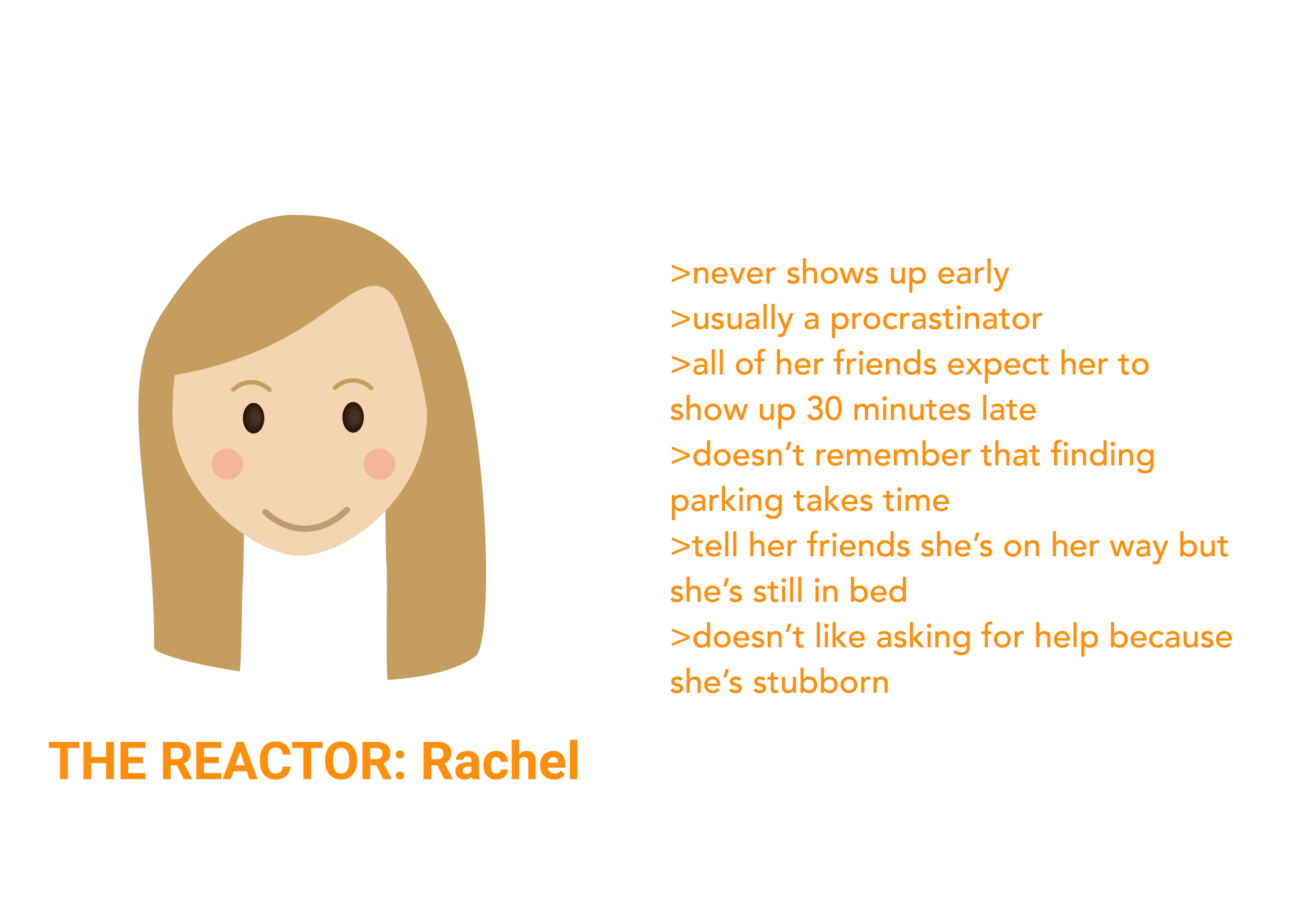
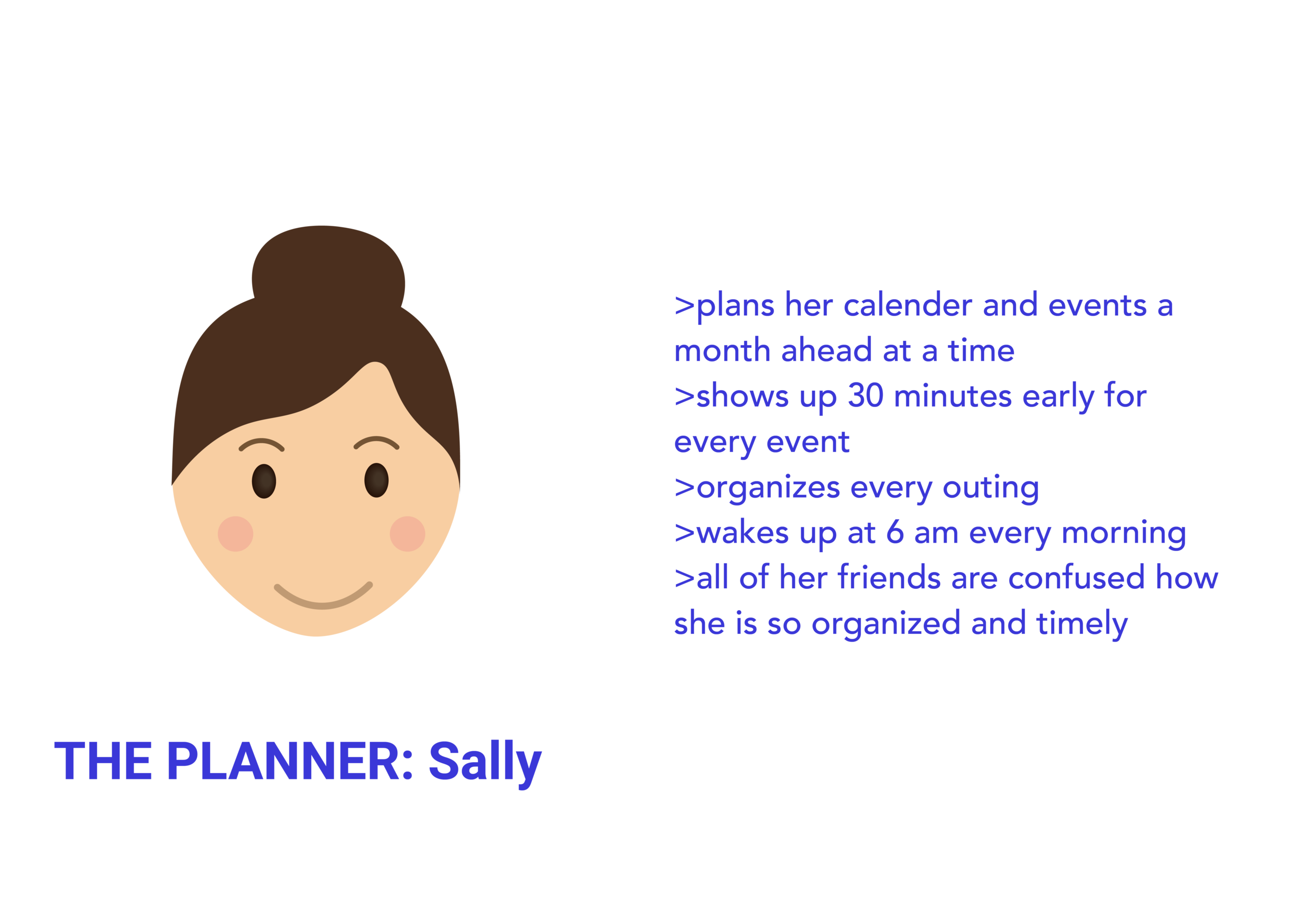
From our interview answers, we realized that every driver has different preferences in which they want technological help to intervene. Our results helped us visualize two typical user profiles: the planner and the reactor.
Parko Task Analysis
We created another task analysis flow diagram, but this time with the intervention of Parko. We created two fork paths in our task analysis to show two typical users founded from our survey. The blue path indicates the planner reaction with Parko while the orange path indicates the reactor reaction with Parko.
Storyboarding
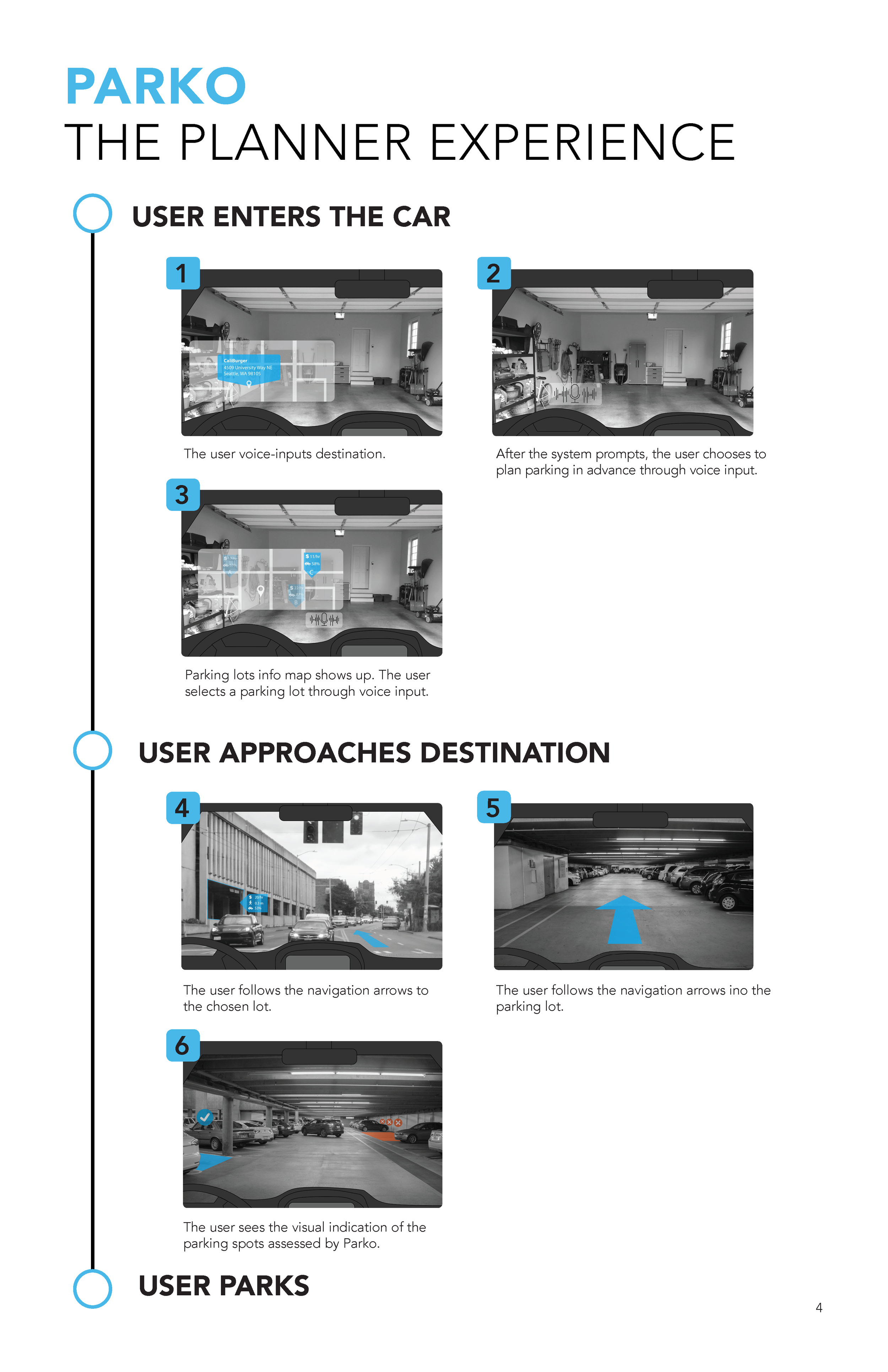
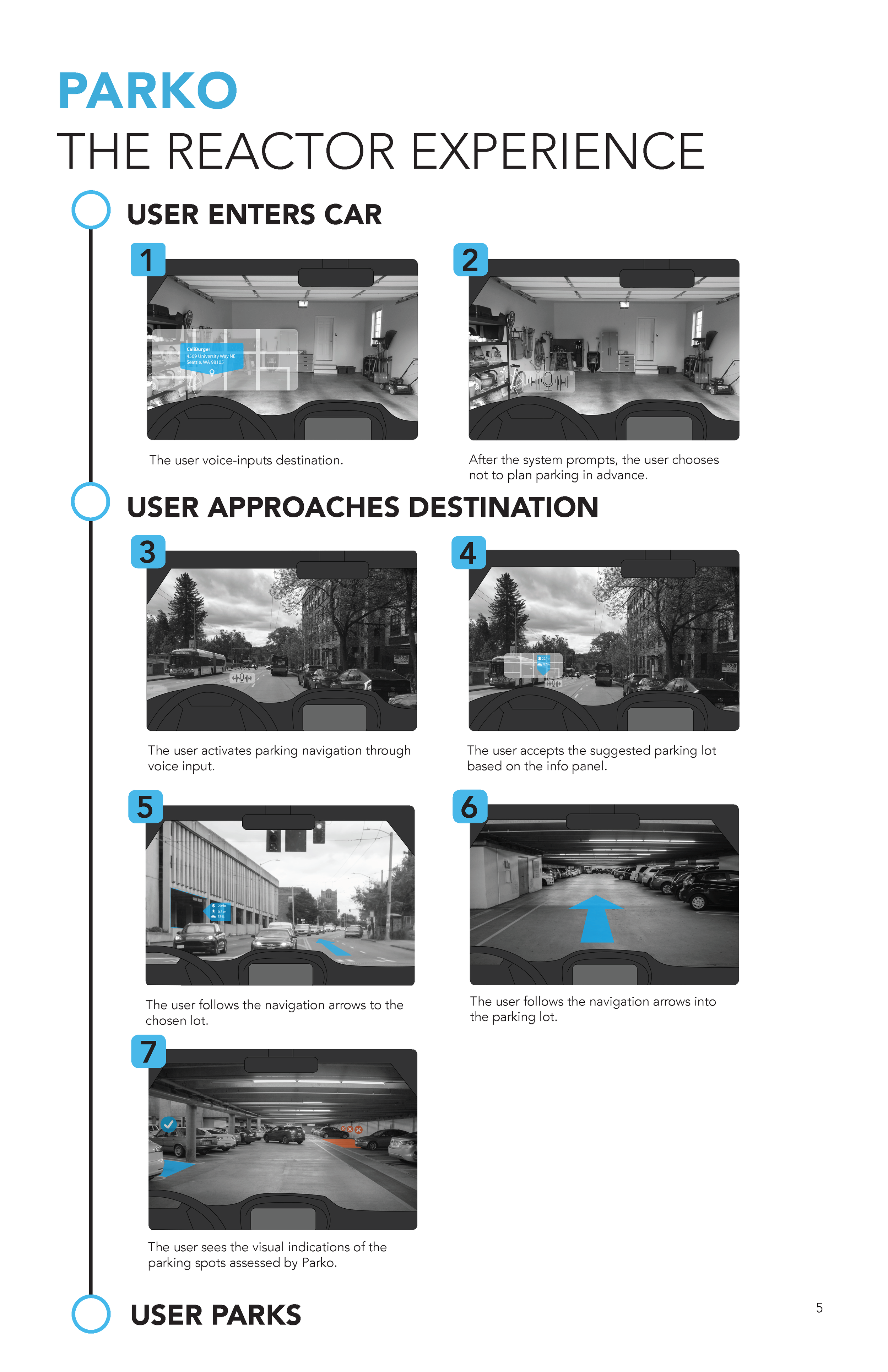
Because we have two types of users that would use Parko, we created two functional storyboards to depict the interactions between both Parko with “the planner” and Parko with “the reactor”.
Reflection
Tackling in-vehicle augmented reality concepts was challenging for me, as I do not have much experience in this space. For this reason, I felt like there were some fundamental gaps in both our research process and our task analysis intervention with Parko. I strive to gain more experience and learn more about in-vehicle augmented reality (and augmented-reality in general) so that I can fill those gaps.
Although this project was challenging, I’m grateful for how it pushed me as a designer, to grow out of my comfort zone and learn new things about off screen technology and technological integration into real time along with human interaction. I also gained a lot of knowledge about the design process from rapid iteration, task analysis diagrams, video-making, and storytelling.